Energy operations
Why Energy Operators in Nigeria Need More Than a CRM
A CRM is useful, but Nigerian energy operators need customer, billing, payment, meter, field, vending, and reporting data to work as one operational system.
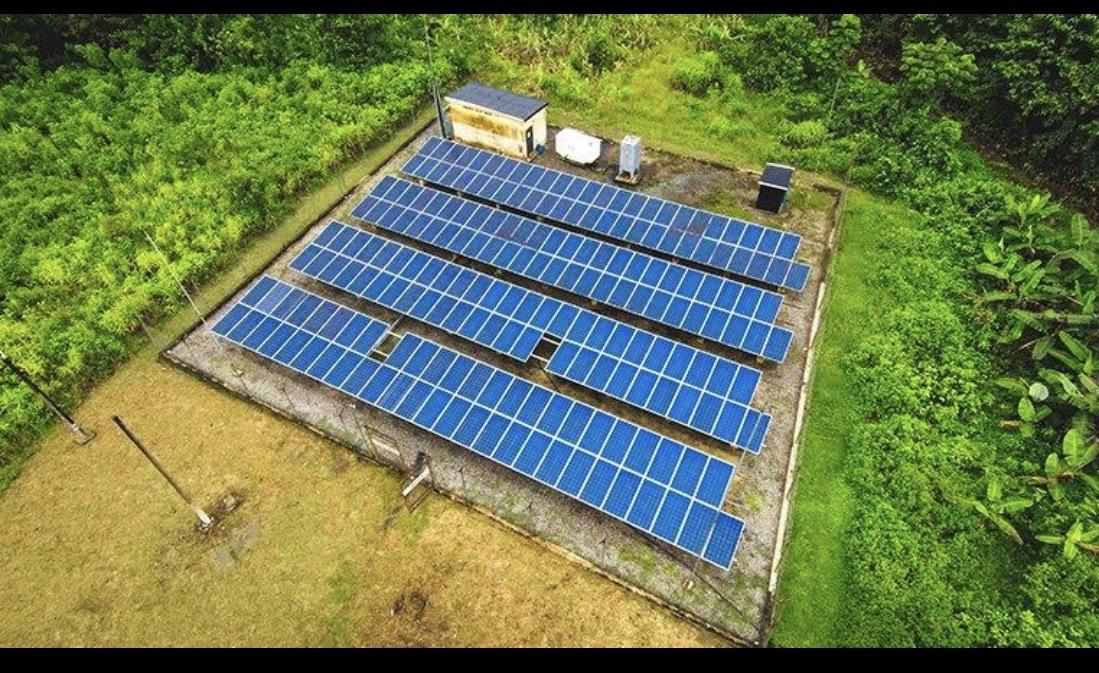
Customer records only become operationally useful when they connect to billing, payments, meters, field work, and reporting.
A CRM is a starting point, not the operating system
Customer relationship management is valuable. It gives teams a place to organise account information, enquiries, complaints, and interactions. Sales and service teams can understand who they are dealing with and what has happened before.
But energy operations do not stop at customer conversations. For an electricity customer, service depends on whether energy was consumed, charges were calculated correctly, payment was received, a prepaid token was delivered, a meter is working, and a field issue can be resolved quickly. Those are connected activities, not separate departments.
That is why energy operators need more than a CRM. They need a connected commercial and operational system that brings customer management, billing, payments, token vending, field operations, and reporting into coordinated workflows. This applies whether the operator is a Nigerian distribution company, a mini-grid developer, or a pay-as-you-go renewable-energy business.
The Nigerian electricity sector has a visibility problem
The scale of Nigeria’s electricity market makes disconnected systems costly. NERC’s second-quarter 2026 performance reporting showed that distribution companies received electricity valued at ₦946.57 billion, billed ₦744.67 billion, and collected ₦603.64 billion. That represents billing efficiency of 78.67% and collection efficiency of 81.06% of billed revenue.
The same reporting recorded a weighted ATC&C loss of 36.23%, compared with a 16.92% benchmark. The issue is not simply that losses exist. Operators need to see where they are occurring: at the meter, in billing, during collection, or in the process that follows payment.
Metering illustrates the same challenge. NERC’s July–August 2026 factsheet recorded 8,045,565 metered customers out of 12,749,789 active customers, a metering rate of 63.10%. More than 4.7 million active customers were still unmetered. That creates estimation, dispute, and collection pressure that a standalone CRM cannot resolve.
Software does not remove operational problems by itself. But connected data gives teams a better chance to see what happened, decide what needs attention, and identify who should act next.
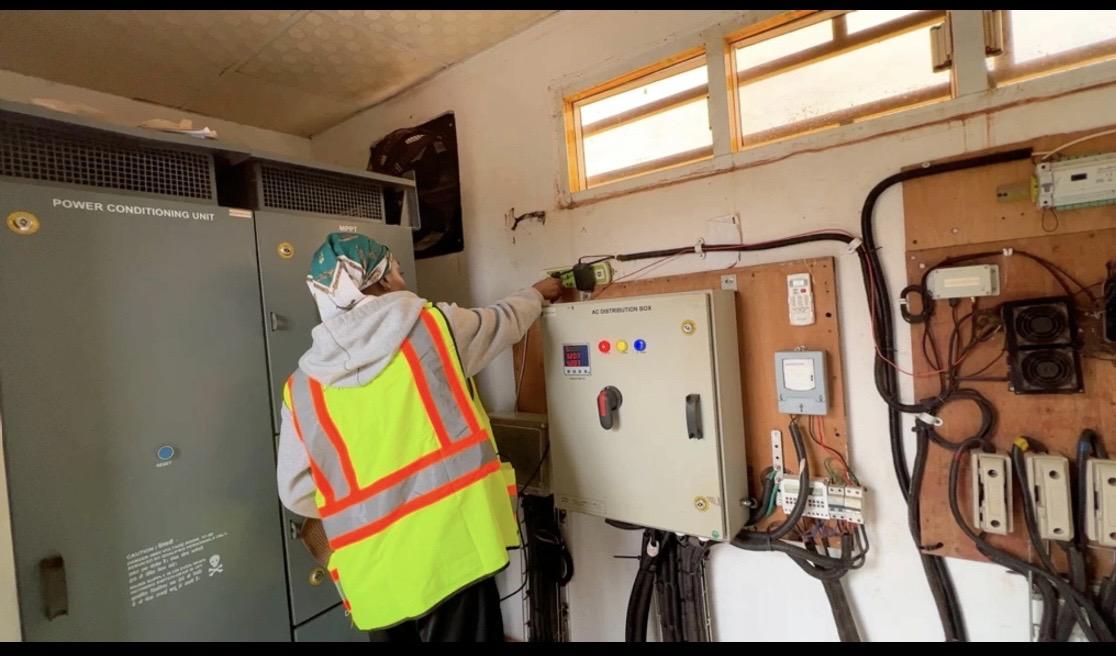
Six functions that need to work together
Customer records are the foundation, but not the whole system. A useful record connects a person or business to the service location, account number, meter or device, tariff or plan, payment history, service history, and open issues. It should also show who can access the account and what actions have already been taken.
Billing must connect consumption, tariffs, meter readings, estimates, adjustments, and disputes. A CRM can record that a customer complained about a bill; it cannot replace the billing logic required to calculate, explain, and correct that bill.
Payments need clear status, reconciliation, and an audit trail. Operators need to know whether a payment was initiated, confirmed, matched to the correct account, reversed, or still being investigated. The value is not just accepting money; it is ensuring it reaches the correct account and triggers the appropriate downstream action.
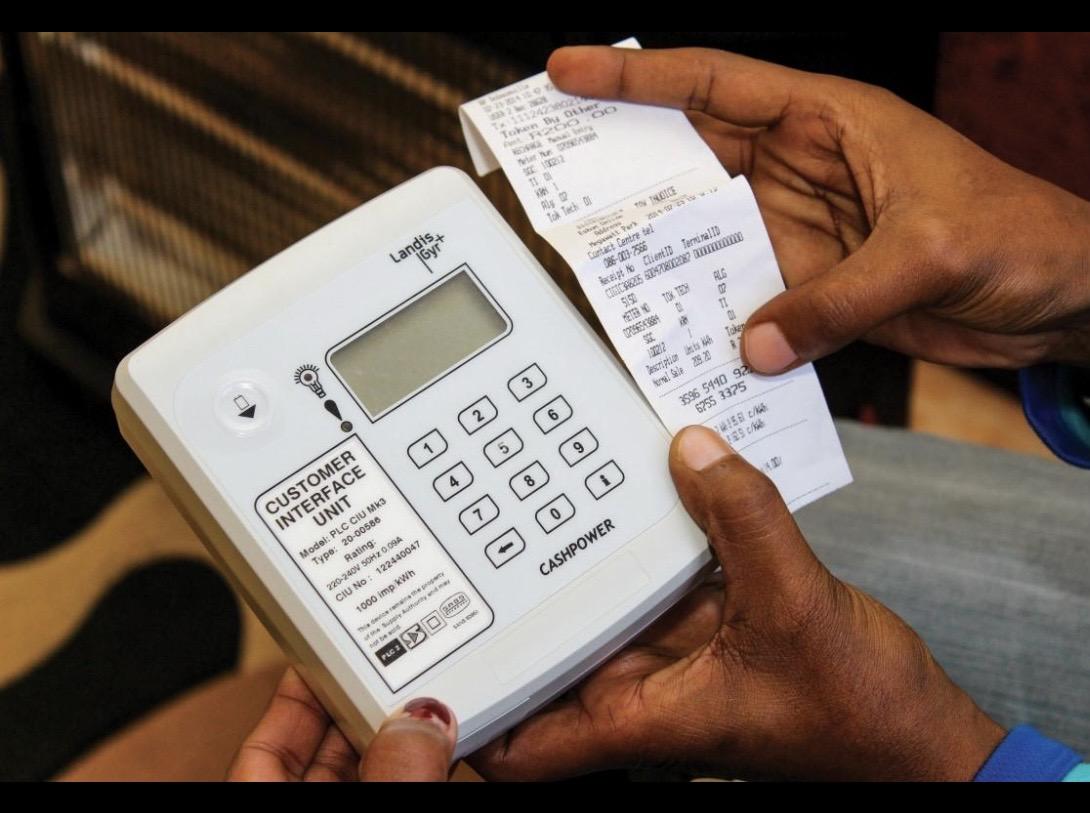
Token vending must link payment validation to the correct meter, tariff, and token-generation process. Payment success is not the same as vending success. A customer can pay successfully yet still need help if a token is delayed, reaches the wrong meter, or fails validation. The same principle applies to PAYG activation and credit delivery.
Field operations need work orders, technician allocation, schedules, asset context, supporting evidence, and completion updates. Mini-grid and distributed-energy teams also need workflows that work in difficult connectivity conditions and let field staff close tasks without returning to the office first.
Reporting becomes trustworthy only when it is built on connected operational data. Distribution companies may report against regulatory and commercial measures; mini-grid operators may focus on site performance, collections, uptime, and customer growth; PAYG businesses may track activations, repayments, agent performance, and device health. The measures vary, but the requirement is the same: consistent source data.
The integration challenge differs across energy businesses
Nigerian distribution companies manage large customer bases, multiple payment channels, tariff structures, estimated and metered billing, customer-service obligations, and regulatory reporting. Their systems must handle volume, reconciliation, exception management, and integration with market and metering infrastructure.
Mini-grid operators work at a smaller scale but with deeper site-level complexity. They need to connect customer onboarding, metering, vending, site operations, maintenance, inventory, and community engagement. A small team can need the same operational visibility as a much larger utility without the resources to manage many disconnected tools.
PAYG solar and renewable-energy businesses add another layer. Devices may be distributed through agents, repayments can be frequent and small, and activation or deactivation can depend on payment status. Customer support, credit management, logistics, and device data all need to meet in one place.
The sector is already investing in more connected commercial infrastructure. What matters is not adding software for its own sake, but connecting the workflows that determine whether a customer receives the service they paid for.
Integration does not have to mean one giant software package
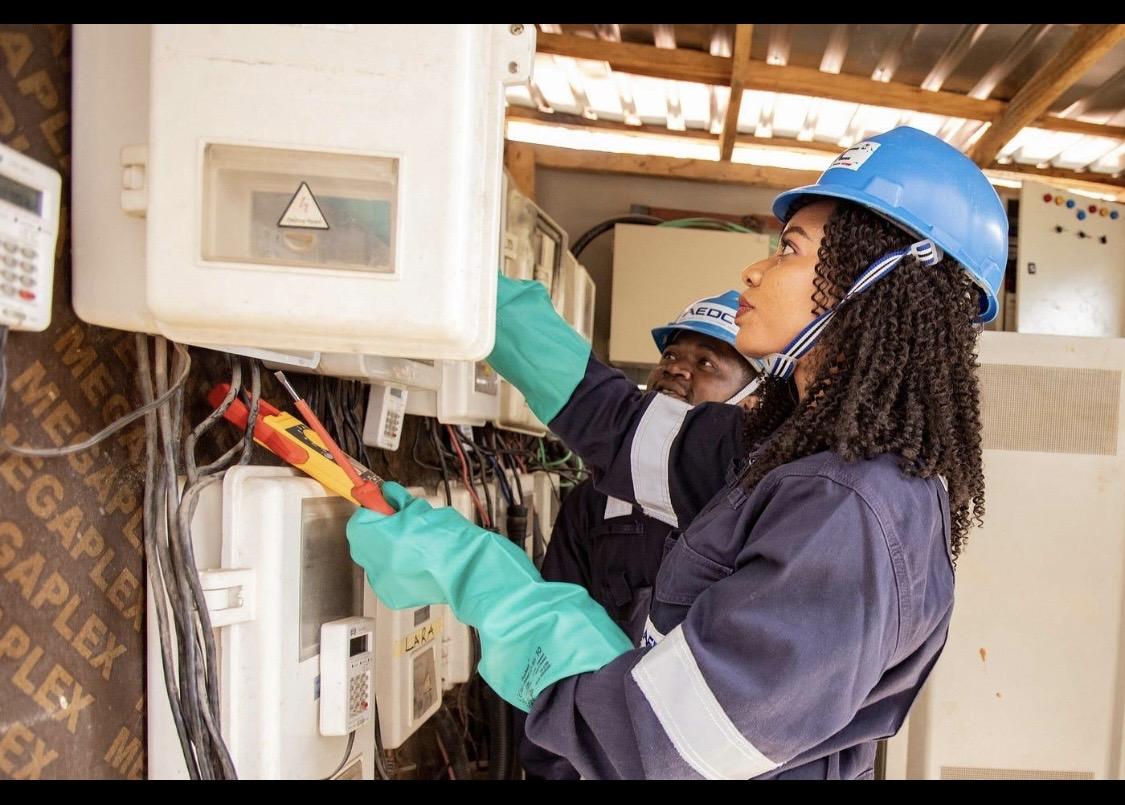
For many operators, the answer is not to replace every tool. A payment provider, accounting system, metering platform, or field application may already do its job well. The challenge is to ensure that systems exchange the right information, use consistent customer and account identifiers, and leave an audit trail when data changes.
A connected operating layer can bring customer context, payment status, field activity, and reporting into one view while allowing specialist systems to remain in place. The objective is not to make every process identical; it is to remove the blind spots between them.
What should operators look for?
Before choosing another platform, operators should begin with the gaps in their work, not a list of software features. Can every team see one customer identity across the systems they use? Can every payment be traced to the correct account? Does a payment trigger the next appropriate action? Can a customer issue become an assigned task? Do field updates reach the office quickly? Can teams work when connectivity is difficult? Can new payment or metering systems be added without rebuilding everything? Do leaders trust the reports they receive?
A useful first exercise is to compare energy received or generated, energy billed, revenue collected, prepaid value vended, and outstanding field work. These measures should not be collapsed into one number. Together, they reveal where the operational chain is breaking and where a team should investigate first.
Start with the gaps, not the software
A CRM remains an important part of an energy business. It helps teams understand the customer and deliver a more consistent experience. But in energy, the customer record must connect to the commercial and operational processes that determine whether service is delivered, paid for, and sustained.
The next stage of maturity is not simply adding more software. It is connecting the data and workflows operators already depend on so teams can see what is happening and act before a small issue becomes a bigger one. The customer record is the beginning of that picture, not the end.
A CRM can be the starting point. It should not be the finish line.
If your team is ready to connect customer management, billing, payments, meter and device token vending, and reporting in one energy-focused platform, explore Sorkol to see how its tools could support your operation.
Explore Sorkol’s energy operations platformSources and further reading
NERC second-quarter 2026 operational and commercial performance reporting
NERC July–August 2026 metering factsheet coverage
Further reading on connected energy operations